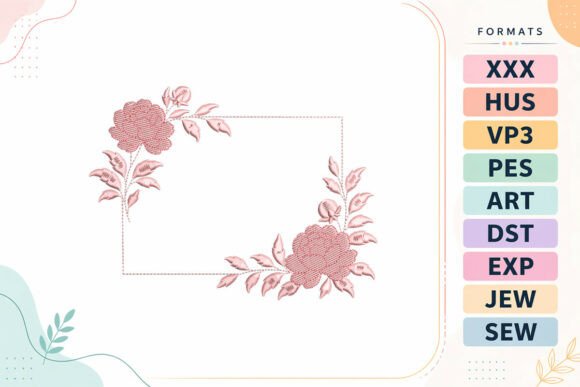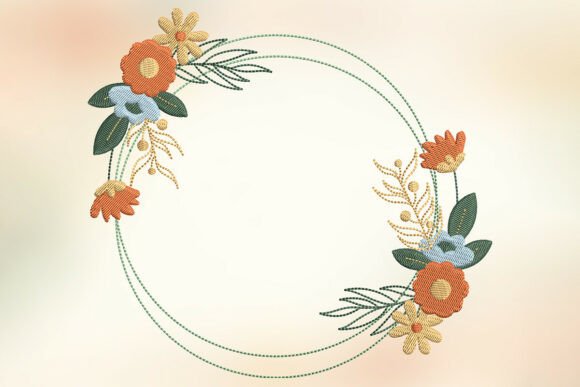
Asymmetric Autumn Botanical Frame
As a machine embroidery designer preparing for a weekend craft fair, I’m always on the hunt for designs that stop shoppers in their tracks. When I first pulled up the Asymmetric Autumn Botanical Frame embroidery file, I knew immediately it belonged in my booth lineup. This isn’t a stiff, predictable wreath — it’s a sweeping, artistic statement that feels both modern and timeless. The open, off-center composition invites the eye to wander, and the autumn botanical theme hits the sweet spot for seasonal handmade products that buyers love to gift.
Before I stitch a single item, I evaluate every design through the lens of real-world selling: Will it catch attention from across a crowded fair? Does it photograph well for Etsy listings? Can I produce it efficiently without sacrificing quality? In this review, I’ll walk you through exactly how Asymmetric Autumn Botanical Frame performs on the products craft fair sellers love, along with the practical production notes that turn a digital file into a profitable finished piece.
First Impressions: An Elegant, Freeform Wreath That Breathes
The first thing that strikes me is the movement. A traditional floral wreath often sits centered and circular, but this layout is deliberately asymmetrical. The botanical elements sweep upward and outward, creating a frame that feels organic and almost windblown. It’s elegant, not overly rustic, and leans into a sophisticated autumn palette — think warm ochre, deep burgundy, olive green, and muted copper. The open center is a brilliant detail; it invites personalization with a monogram, a short word like “gather,” or even a simple date. That alone increases the design’s value for customers looking for one-of-a-kind handmade products.
I’d describe the mood as refined bohemian with a touch of botanical art. It’s the kind of embroidery that would look at home on a high-end linen apron or a premium canvas tote bag. The “frame” concept also means it can stand alone or pair beautifully with lettering, giving sellers flexibility. For anyone who loves the Floral Wreaths category but wants something that breaks the mould, this design is a breath of fresh air.
Top Products Where This Design Will Sell
Not every embroidery design translates well across product types. After testing the visual weight and scale of Asymmetric Autumn Botanical Frame, here’s where I see it performing best at a craft fair or in a handmade shop.
- Canvas Tote Bags: Place the design off-center on the front panel, and you instantly create a boutique look. The asymmetrical layout draws the eye across the bag, making it feel artful rather than mass-produced. I’ve seen shoppers pause, tilt their heads, and then smile — exactly the reaction you want. For Etsy sellers, a flat lay photo of this tote bag design on a warm wooden background is a guaranteed thumbnail click.
- Linen or Cotton Aprons: A single sweeping botanical element on the bib or along the hip of an apron transforms a plain kitchen basic into a giftable treasure. The autumn theme taps into holiday hosting, Thanksgiving, and cozy fall markets. The design’s open center leaves room for a subtle “handmade” script, boosting the perceived value.
- Tea Towels & Kitchen Linens: Corner placement on a flour sack towel is pure charm. The airy, open composition keeps the towel from feeling heavy, and the botanical frame can surround a seasonal greeting. I always test on textured towels with a water-soluble topper, but the stitchout here is smooth and clear because the design avoids dense, solid fills.
- Embroidered Patches: If the digitizing allows a clean reduction, the Asymmetric Autumn Botanical Frame makes a delicate patch for jackets, backpacks, or denim. The openwork means the fabric background peeks through, which is a trendy look. However, I’d keep the patch size above 2.5 inches to preserve the tiny leaf details.
- Pillow Covers: A large-scale version on a natural linen pillow cover is a showstopper. The asymmetry brings movement to a pillow arrangement, and the autumn palette blends effortlessly with boho or farmhouse decor. These are higher-ticket items that sell well to shoppers looking for unique home accents.
- Fabric Pouches & Zipper Bags: Scaled down, the design adds a delicate, artisan touch to small utility pouches, makeup bags, or gift pouches. They’re perfect impulse buys at a craft fair.
- Caps & Hats: The curved, sweeping line of the botanical frame can follow the contour of a cap brim beautifully. Asymmetry often works better on curved surfaces than a centered circle. I’d test on a low-profile cap with a sturdy stabilizer to avoid distortion.
How It Performs in a Craft Fair Booth
In a booth setting, visual flow is everything. The Asymmetric Autumn Botanical Frame naturally guides the eye from one product to the next. When I display a tote bag, an apron, and a tea towel all featuring the same design, it creates a cohesive collection that feels intentional and brand-consistent. The asymmetry breaks the monotony of symmetrical displays, so shoppers are more likely to stop and explore.
Customer attention is drawn to the organic shape — it feels like a piece of artwork, not just a decorative motif. That perception lifts the finished product’s value, allowing you to price with confidence. I’ve noticed that autumn botanical designs trigger an emotional connection in a way that generic patterns don’t; people imagine them in their homes, on their tables, or as heartfelt gifts. The design’s elegance also means it photographs like a dream, which is crucial for building a cohesive online presence and social media feed.
Practical Production Checklist
Before I stitch a single item for sale, I run through this checklist. It saves time, fabric, and thread, and ensures every piece that leaves my booth is flawless.
- Test on Scrap Fabric First: Always run a sample stitch-out. Watch for thread breaks, puckering, or registration issues. The open botanical elements should remain airy, not dense.
- Check Thread Contrast: Autumn colors can look muddy on deep brown or black backgrounds. I test the design on cream, natural linen, and a soft heathered grey. Warmer, lighter fabrics let the copper and olive tones shine.
- Review Spacing and Hoop Size: The product description doesn’t specify the exact hoop requirement, so confirm the dimensions before purchasing. An asymmetric frame can be wide, and you’ll need a hoop that accommodates the sweep without re-hooping.
- Inspect Stitch Density: Botanical designs often have delicate layered leaves. If the digitizing is too dense, the fabric will stiffen or distort. I use a sharp needle and reduce density slightly if needed, especially on lightweight linen.
- Use the Right Stabilizer: For tote bags and aprons, a medium-weight cutaway stabilizer works best. On tea towels, add a water-soluble topper. For caps, a heavy-duty cap stabilizer and a slow machine speed are non-negotiable.
- Create at Least One Real Mockup: A printed mockup is fine for Etsy, but a real stitched sample on the actual product is gold for your booth. It shows buyers exactly what they’re getting and builds trust. I photograph the finished product in natural light against a simple backdrop.
- Compare Fabric Colors: The same design can look completely different on oat linen versus bright white canvas. I stitch a small color swatch test to see which fabric base makes the design pop most for the autumn theme.
- Confirm Commercial Licensing: The product listing may not include full license details. Always verify with the digitizer that you can sell finished items made with this embroidery file. If it’s a digital embroidery file for personal use only, you’ll need to purchase a commercial license before selling at a craft fair.
Careful Considerations: Where the Design Might Struggle
Even the most beautiful machine embroidery design has its quirks. Here’s what to watch out for when converting Asymmetric Autumn Botanical Frame into finished products.
- Dense Stitch Areas: If the botanical frame includes layered leaves or clusters of berries, those spots can become bulletproof. Use a softer stabilizer and consider reducing the density if your machine allows. A stiff patch or tote bag corner is a turnoff for buyers.
- Tiny Details: Delicate stems, seed pods, or small leaf veins may lose clarity at smaller sizes. Avoid scaling the design down below its intended stitch-out size. For patches, keep the design at least 2.5 inches wide to maintain crispness.
- Small Lettering: The design doesn’t natively include text, but many sellers will add a monogram inside the frame. Ensure any added lettering is at least 0.25 inches tall. Tiny script will close up and become illegible.
- Thick Fabric & Textured Towels: While the design’s open nature helps, highly textured fabrics like terry cloth can swallow fine details. Always use a topper and a ballpoint needle, and test before committing to a batch.
- Curved Cap Surfaces: The asymmetric sweep can look fantastic on a cap, but any distortion at the seam can ruin the effect. Test on a structured cap and use a tack-down stitch before the final outline.
- Dark Fabric: Deep autumn hues like rust, maroon, and olive can blend into black or navy backgrounds. Choose a lighter thread shade or add a subtle contrast outline if the design file allows. I’ve found that soft cream and oatmeal fabrics are the most forgiving.
Designer’s Verdict: A Versatile, High-End Autumn Performer
After a thorough review, Asymmetric Autumn Botanical Frame earns a permanent spot in my craft fair repertoire. It’s not just another floral wreath — it’s an intentional, artistic piece that elevates everyday items into premium handmade goods. The sweeping, off-center layout feels fresh and catches the light in a way that traditional circular designs don’t. For anyone selling tote bags, aprons, pillows, or tea towels this season, this design offers a clear competitive edge.
The open center is a gift for customization, and the autumn palette works for a wide range of booth aesthetics, from rustic farmhouse to modern minimalist. The only real requirements are a careful test stitch-out, proper stabilizer choices, and a commitment to using fabric colors that let the threadwork shine. With those steps, you’ll have a finished product that photographs beautifully, attracts shoppers, and justifies a higher price point.
I’d confidently place this design on my best-selling items, use it as a signature piece for my autumn booth display, and recommend it to any Etsy seller or small shop owner looking to add an elegant, nature-inspired touch to their collection.
Quick Tips for Etsy and Online Sellers
If you’re listing finished products or digital embroidery files online, use the full design name in your titles: “Asymmetric Autumn Botanical Frame Embroidered Tote Bag” or “Autumn Botanical Frame Apron Embroidery.” Mention the Floral Wreaths category to help shoppers browsing that style. For keywords, blend “machine embroidery design,” “autumn wreath,” “botanical frame,” “handmade fall decor,” and “modern embroidery.” A printable mockup can create a clean, professional listing image, but always include a photo of the real stitched piece. And once again, double-check your commercial embroidery license — it’s the foundation of a stress-free selling season.