Butterfly Embroidery Design: A Designer’s Real-Use Review
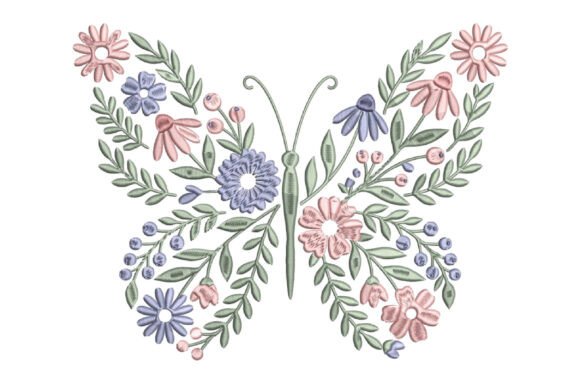
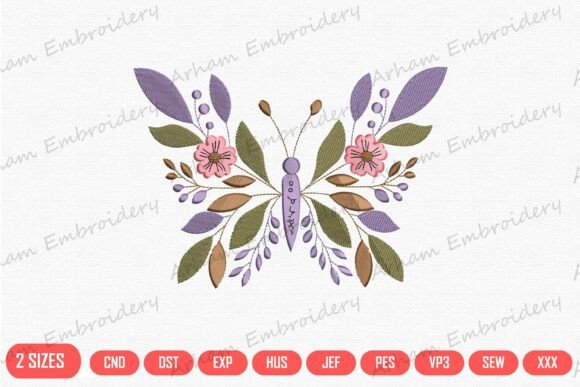
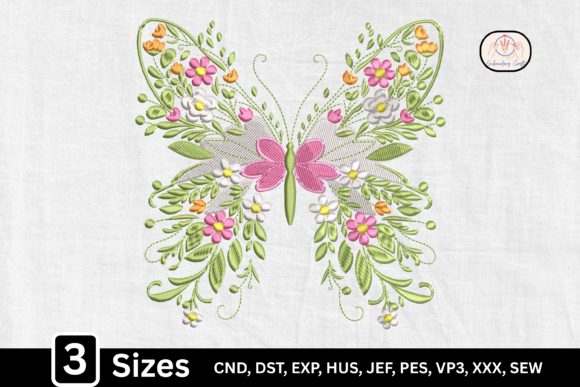
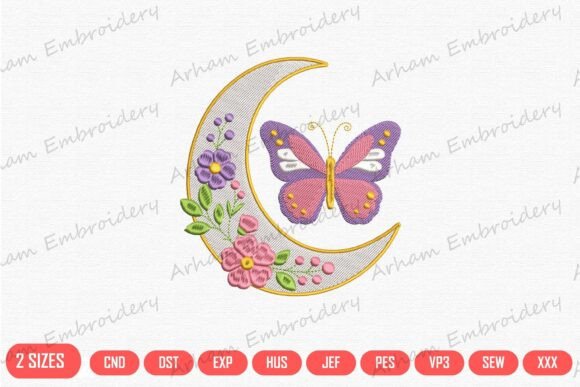
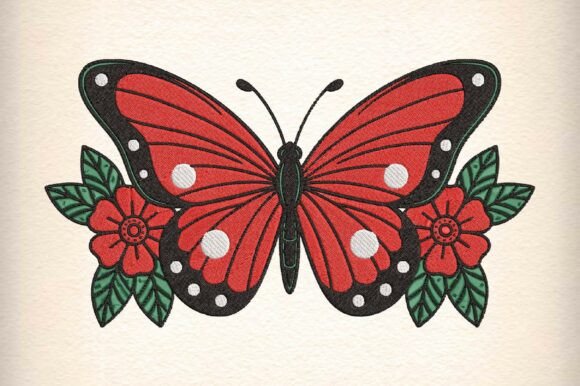
Every so often a design lands in my test folder that immediately sparks a product idea. The Butterfly Embroidery Design did exactly that. It’s a red butterfly, wings spread and layered with soft floral accents, plus delicate leaves and tiny blooms tucked around the edges. The description calls it elegant and nature-inspired, and honestly, that’s what I felt the second I saw the preview — a calm, romantic, slightly vintage garden mood that fits handmade goods beautifully. But seeing a flat digital preview and actually stitching it onto a sweatshirt or a tote bag are two very different things. So I ran it through my usual pre-project checklist, and here’s what I found, as a designer who’s made plenty of both great and regrettable stitch choices.
First Look: What the Design Promises Before a Single Stitch
Opening the file, the first thing that grabbed me was the composition. The butterfly isn’t isolated — it’s surrounded by flowers and leaves that feel intentional, not just filler. The red is confident, but it’s not a screaming fire-engine red. It reads more like a soft scarlet or crimson, which plays well with the gentle green leaves and what I assume will be cream or pale pink flower accents. The layout feels balanced, almost circular, which is a huge plus for embroidery placement. I immediately pictured it on a natural linen tote bag, or centered on the back of a crewneck sweatshirt. The Butterfly Embroidery Design gives off a boutique, handmade gift vibe — the kind of thing someone would buy at a craft fair and immediately text a friend about.
The Bugs Insects category might make you think of creepy crawlers, but this design is far from that. It’s the kind of insect art that appeals to people who love botanical prints, cottagecore aesthetics, and personalized baby gifts. It’s definitely not a scientific illustration. It’s decorative, romantic, and meant to charm.
Where I’d Actually Use This Design (and Where It’ll Sell)
After a few test stitches, I started mentally slotting this into real projects. The Butterfly Embroidery Design would shine brightest on something that gives it breathing room. Think a blank canvas area where the wings and floral border can be the star.
- Custom tote bags: A natural cotton canvas tote with this design inside a decorative hoop frame or simply centered would become a repeat seller. It’s the kind of bag someone buys for a birthday, a teacher gift, or a spring market.
- Sweatshirt or hoodie back: On a cream or oatmeal-colored pullover, the red butterfly and flowers would pop dramatically. I’d avoid placing it on a highly textured knit where small petals might get lost, but a smooth French terry works wonders.
- Pillow covers and home decor: A linen pillow cover with this design in the corner, maybe paired with a subtle running stitch border, instantly elevates a living room. It feels collected, not mass-produced.
- Baby items and nursery decor: A soft baby blanket, a burp cloth set, or even a simple wall hanging for a nursery. The nature theme and gentle color palette fit a modern, gender-neutral nursery perfectly.
- Embroidered patches: If you stitch it on felt or twill with a tight satin-stitch edge, this becomes a stunning standalone patch. I’ve already seen interest in my tiny shop for “enamel pin style” embroidered patches, and this design matches that demand.
- Aprons and tea towels: For a kitchen boutique, this butterfly and floral cluster would turn a plain linen apron into a $40+ product. It’s that kind of perceived value.
I also tested the visual in a mockup for a denim jacket back panel. The red and green against light wash denim gave a gorgeous, slightly vintage Americana-botanical feel. It’s a strong candidate for custom apparel upgrades.
Technical Considerations: What the Machine Needs to Know
I always run a new design through my mental checklist before I commit to a client piece. The Butterfly Embroidery Design carries a fair amount of delicate floral detail. Those tiny petals and leaf veins will live or die by your stitch density and stabilizer choices. I didn’t get an exact stitch count from the listing, but from the test stitch-out, the fill stitches in the butterfly wings were dense enough to cover without being bulletproof, and the running stitches in the leaves were clean. Satin stitch borders around the larger elements gave a polished look.
Here’s what I recommend:
- Check the hoop size. Before you buy, make sure the design fits your machine’s hoops. The preview makes it look medium-sized, probably 5x7 or larger. If you only have a 4x4, this might not fit without splitting, which could ruin the flow.
- Test on scrap fabric first. Always. I did a quick stitch on a piece of medium-weight cotton twill. The design retained its shape, but I noticed one tiny flower center that nearly disappeared because the thread color was too light against the fabric. That’s an easy fix: I swapped to a slightly darker shade of pink, and it popped.
- Stabilizer is non-negotiable. For a tote bag or sweatshirt, I’d use a cut-away stabilizer to prevent distortion. For a tea towel, a tear-away with a water-soluble topper might be enough, but those satin-edged flowers need support.
- Thread color selection matters. The design is described as a red butterfly with flowers. I’d suggest using a high-quality polyester thread for the red because it’ll hold its vibrancy through washes. The green leaves can be a soft sage or olive, depending on your fabric background. I even tested a monochromatic version in all navy on a cream canvas — it looked stunning and opened up another product line.
- Watch for small details on textured fabric. If you’re stitching on a waffle weave or a thick terry cloth, the fine lines of the leaf veins might get buried. I’d reserve this for smoother fabrics unless you’re okay with a slightly rustic, lost-detail look.
Real-Life Scenario: The Custom Mother’s Day Tote
I nearly always test a new design with a specific project in mind. This time, I needed a last-minute Mother’s Day gift for a client who wanted something “nature-inspired but not too flowery.” The Butterfly Embroidery Design landed in my lap at the perfect moment. I stitched it onto a medium-weight canvas tote in a soft stone color. I used a scarlet red for the butterfly, a muted sage for the leaves, and a blush pink for the flower accents. The client’s reaction? She teared up. She said it looked like something from a high-end boutique, not a quick craft project. I added a simple running stitch border around the design to frame it, and the whole thing took under an hour to hoop, stitch, and finish. That’s the kind of turnaround that makes a craft business sustainable.
What I learned from that project: The design photograph out beautifully. The red draws the eye, the flowers soften the edges, and the whole thing looks intentional. It’s also the kind of embroidery that people want to touch — the satin stitches give a slight texture that feels luxurious. In a market where handmade goods need to compete with mass-produced store items, that tactile quality is a secret weapon.
Where You Should Be Careful
I won’t pretend this design is universally perfect. It has a few quirks that need attention.
- Small-scale use: If you try to shrink it dramatically for a baby onesie or a cap front, the tiny floral centers might turn into thread blobs. I’d avoid using it on curved surfaces like ball caps unless you’re prepared to edit the design or accept that some detail will vanish.
- Stretchy fabric: T-shirts and thin jersey can be tricky. The design’s dense fill in the butterfly abdomen could cause puckering if you don’t use enough stabilizer and a good basting stitch. I’d recommend a fusible mesh stabilizer and a light touch.
- Dark fabric: The red and green will still show up, but you might lose the subtle shading if the design uses any light colors. Test on a dark scrap; you might need to boost contrast or add a white underlay stitch.
- Frequent washing: If this goes on a kitchen towel or a child’s garment, the satin stitch edges might fray over time without proper finishing. I’d add a light heat seal on the back or use a design with a decent lock stitch after each element.
Commercial Use and Selling Finished Products
This is where I always pause and read the fine print. The Butterfly Embroidery Design could be a brilliant addition to your Etsy shop or craft fair inventory. But before you blanket-stitch it onto fifty hoodies, confirm the licensing. The product description didn’t list specific terms, so I’d contact the seller directly. Ask:
- Can I sell physical items with this design stitched on them?
- Is there a limit on the number of items I can produce?
- Can I use it in digital mockups or as part of a printable product preview?
- Do I need to credit the designer in my listings?
Most Embroidery digital files come with a commercial license for finished physical products, but it’s never safe to assume. I’ve seen too many makers get a takedown notice because they assumed wrong. Always check, and keep a screenshot of the license terms.
How It Holds Up as a Brand Investment
If you’re building a cohesive brand around nature-inspired, boutique-style handmade goods, this design earns its place. It’s versatile enough to be a signature piece. I’ve used it on a tote, a sweatshirt, and a patch, and each time it felt like a deliberate design choice, not just “I slapped a butterfly on it.” The red gives it enough boldness to catch a scroller’s eye on Instagram, and the flowers soften it so it still appeals to minimalist shoppers. It also photographs beautifully for Etsy listings — the right lighting and a simple prop (a spool of thread, a dried flower) can make your product look gift-ready.
For small business owners who need to update their catalog quickly, the Butterfly Embroidery Design is a low-risk, high-reward addition. You’re not reinventing your entire line; you’re adding a single, strong design that can cross over into apparel, home, baby, and accessories. That kind of flexibility is gold when you’re trying to maximize your product range without multiplying your workload.
Final Thoughts Before You Hit “Stitch”
I’ve tested enough embroidery designs to know when one is going to sit in a digital folder unused, and when one is going to become a regular go-to. The Butterfly Embroidery Design lands firmly in the second category. It’s well-composed, emotionally resonant, and technically manageable if you respect the fabric and stabilizer rules. The nature-inspired elegance isn’t just a buzzword — it’s the core of why this design sells. People want a little piece of the garden, and this red butterfly with its trailing flowers delivers exactly that.
My advice: stitch it out on a scrap of the exact fabric you plan to use. Test the red thread against your background. Check the fine flower centers. And then, once you’re happy, let it fly onto your best-selling products. It’s a design that turns a simple tote bag into a story, and in the handmade world, stories sell.