Hibiscus Floral Embroidery Design Art Reviewed
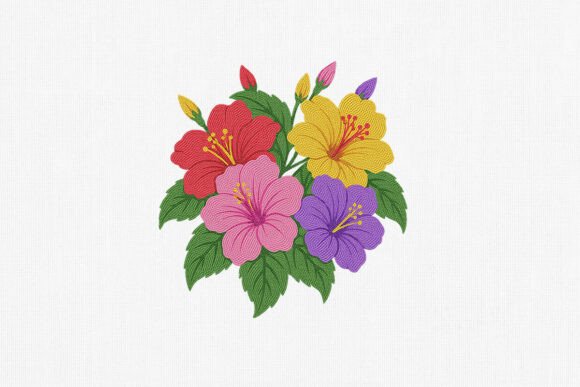
Some designs arrive with a quiet elegance, and others practically hum with energy. The Hibiscus Floral Embroidery Design Art falls squarely into the second category. The moment I opened the preview, I could feel the warmth coming off the screen — bold red petals, sunny yellow accents, and that unmistakable tropical rhythm that makes hibiscus motifs so enduring. It is not a shy, single bloom sitting politely in the corner. This is a cluster, a small gathering of flowers that wants to be noticed.
I have been testing and reviewing embroidery designs for years, and I always ask the same question before loading a file onto the machine: what kind of finished product does this design actually belong to? With this one, the answer came fast. It belongs on something that sees sunlight, something meant to be carried or worn with a bit of personality. A tote bag, a summer sweatshirt, a bright kitchen towel, or a statement patch on a denim jacket. The mood is unmistakably tropical, and that shapes everything about how and where I would use it.
First Impressions and Visual Personality
The composition is what grabbed me first. A cluster of hibiscus blooms arranged with enough space between them to breathe, but close enough to read as one cohesive motif. The red and yellow palette is classic — it is the color combination that most people associate with tropical florals, and it carries a natural warmth that works across seasons. The petals have a gentle curve that suggests movement, as if a breeze just passed through. That kind of softness in a machine embroidery design is not always easy to achieve, and it matters more than people realize when the design is stitched onto fabric.
I studied the layout carefully, zooming in to check how the edges of the petals meet the background, how the centers of the flowers are detailed, and whether the overall shape feels balanced. It does. The design reads clearly as a hibiscus cluster without being overly complicated. There is enough detail to feel intentional, but not so much that it would become muddy on textured fabric or at smaller sizes. That balance is tricky, and I appreciate when a digital embroidery file gets it right.
Where This Design Truly Belongs
I want to talk about a specific project because that is how I think — practically, with a real product in mind. A few weeks ago, I was preparing a batch of custom tote bags for a client who runs a small beachside boutique. She wanted something tropical, something that felt like a vacation in a single glance. The Hibiscus Floral Embroidery Design Art would have been perfect for that order. I can picture it stitched in the lower corner of a natural canvas tote, the red and yellow popping against the unbleached cotton. The design has enough presence to anchor the product without overpowering it.
Beyond tote bags, I see this design thriving on a relaxed-fit sweatshirt, perhaps placed on the upper chest or even centered on the back. It would also work beautifully on a pillow cover for a sunroom or patio cushion, on a kitchen towel set for a summer hostess gift, or as an embroidered accent on a child's lightweight jacket. The tropical theme is broad enough to fit casual apparel, home decor, and boutique accessories equally well.
For Etsy sellers and small shop owners, the hibiscus motif has built-in recognition. People search for it. They associate it with warmth, travel, relaxation, and joy. A handmade product featuring this design carries that emotional hook before the customer even reads the listing description. That is a real advantage when you are building a craft business or filling a seasonal collection.
Fabric, Placement, and Stitching Realities
Not every design plays nicely with every fabric, and I approach tropical florals with a healthy dose of realism. The stitch density in the petal areas will determine how well this design performs on different surfaces. I always recommend testing the embroidery file on scrap fabric before committing to the final product. For this hibiscus design, I would pay close attention to how the red and yellow sections interact — color transitions in embroidery can sometimes create unwanted gaps or overlapping bulk if the digitizing is not precise.
On textured fabrics like terry cloth or waffle weave, the petal edges might lose some crispness. That is not a flaw in the design; it is just the nature of stitching on a surface with depth. I would use a medium-weight cutaway stabilizer for knits and a tear-away for woven cotton, and I would definitely hoop the fabric taut. On stretchy fabrics like jersey or French terry, a fusible mesh stabilizer can prevent the design from distorting during wear and washing.
Dark fabrics deserve special mention. The red in this design will read differently on black or navy than it does on white or cream. I would test the design on both light and dark backgrounds to see how the contrast holds up. Sometimes a design that looks vibrant on a white mockup can feel muted on charcoal, and the only way to know is to stitch it out. If you are planning to sell custom apparel with this design, offering fabric color options with photo examples will build customer trust and reduce returns.
Small Details and Big Impact
The flower centers are where the personality lives. In a hibiscus, the stamen is that long, elegant protrusion that gives the bloom its distinctive silhouette. In embroidery, that detail can be rendered with a running stitch or a fine satin stitch, and it needs to be clean enough to read at a glance. From what I can see in the design, the centers are well defined. They will likely stitch out nicely at a moderate hoop size, but I would be cautious about scaling this design down too aggressively. If the stamen detail becomes too tiny, it risks looking like a stray thread rather than an intentional botanical element.
I always advise checking the design in a black-and-white preview or a grayscale mockup. It sounds counterintuitive for a colorful tropical motif, but seeing the design without color reveals the true structure — the balance of positive and negative space, the density distribution, and whether any areas rely too heavily on color to carry the visual weight. A strong embroidery design should stand on its bones, not just its palette.
Commercial Use and Selling Considerations
For anyone planning to use the Hibiscus Floral Embroidery Design Art on products they sell, the licensing conversation is essential. I always remind fellow creative entrepreneurs and digital product sellers to confirm the terms before listing finished items. Whether you are stitching on onesies, aprons, caps, or patches, the commercial rights attached to the file determine what you can legally do. Most reputable design sources in the Bouquets Bunches category and broader Embroidery marketplace provide clear licensing information, but it is your responsibility to check before you sell.
This design would sit comfortably in a product lineup for craft fair booths, boutique branding, or Etsy listings aimed at gift shoppers. The hibiscus theme has broad appeal — it works for Mother's Day, summer birthdays, wedding gifts, housewarming presents, and vacation-themed merchandise. That versatility is valuable when you are trying to stretch a single design across multiple product types and seasons.
Practical Designer Notes and Recommendations
If I were adding this design to my production workflow, here is what I would do before stitching on a client product. First, I would run a test on a medium-weight cotton with a mid-range thread brand to see how the red and yellow satin areas behave. I would note the stitch count and hoop size requirements — details that are not listed here and should be confirmed directly with the file source. I would check the design at two different sizes to see if the detail holds up when scaled down for a patch or up for a tote bag centerpiece.
I would also experiment with thread colors. The red and yellow described in the design are bold and classic, but swapping in coral or blush pink for the petals and keeping the yellow centers could create a softer, more romantic version for baby items or nursery decor. That kind of creative flexibility is one of the joys of working with embroidery files — the design is a starting point, and your thread choices make it yours.
For apparel decorators working with caps or curved surfaces, I would test the placement carefully. The cluster shape may need slight repositioning to sit well on a curved cap front, and the density of the petals might require a cap-specific backing to prevent puckering. On flat surfaces like pillow covers or tea towels, the design should stitch out comfortably with standard hooping.
The Giftability Factor
Some designs are visually appealing, and some designs help a product sell itself. The Hibiscus Floral Embroidery Design Art has strong gift appeal. People see a hibiscus and think of someone they want to send sunshine to — a friend in a cold climate, a family member who loves gardening, a couple celebrating an anniversary in Hawaii. When you stitch this design onto a personalized gift like a monogrammed towel or a custom tote, you are not just decorating fabric. You are attaching a feeling. That emotional layer is what turns a finished product into a memorable keepsake.
I have seen tropical floral designs range from garish to gorgeous, and the difference always comes down to restraint. This design shows restraint in the right places. The cluster is full but not chaotic. The colors are strong but not loud. The shape is organic but still contained enough to work as a decorative motif. Those qualities are what make it usable for real projects, not just pretty in a preview window.
Final Thoughts Before You Stitch
My job as a reviewer is not to tell you whether a design is pretty — you can see that for yourself. My job is to help you think through whether it will actually work for the projects you have in mind. The Hibiscus Floral Embroidery Design Art passes that test for a wide range of applications, from custom apparel and tote bag designs to holiday embroidery gifts and boutique product lines. It brings a confident tropical energy that feels current and classic at the same time.
Take the time to test it on your fabric of choice. Check your hoop size, choose your stabilizer wisely, and do not skip the black-and-white mockup. Confirm the commercial embroidery licensing if you plan to sell finished items. And when you stitch it out for the first time, pay attention to how the red and yellow interact — those are the colors that will catch the eye and make the product memorable. A design like this, used well, can elevate a simple handmade item into something that feels intentional, professional, and full of life.