Horse Foal Meadow Butterfly Companions
First Impression: Soft, Whimsical, and Deeply Relatable
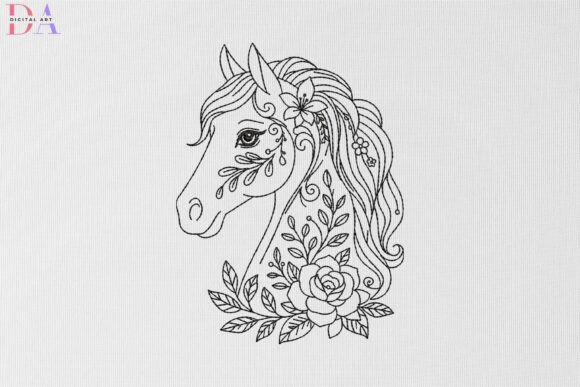
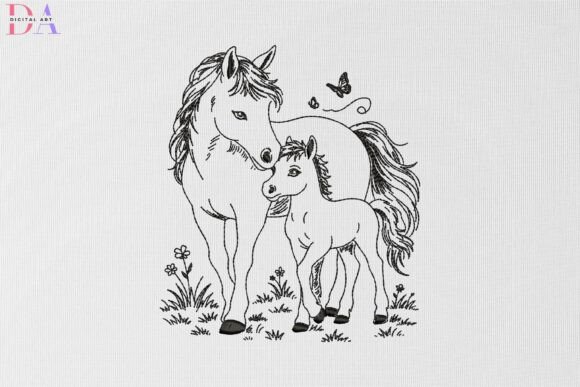
As an embroidery designer who’s prepped over 200 craft fair booths—and watched thousands of shoppers pause at a table—I can tell you Horse Foal Meadow Butterfly Companions lands with quiet confidence. It’s not bold or loud. It’s not modern-minimalist or edgy. It’s soft, gentle, and emotionally resonant—evoking pastoral calm, nurturing connection, and delicate wonder. That “graceful adult horse standing lovingly beside” her foal? That’s the emotional anchor. The meadow setting and butterflies add movement, lightness, and nature’s quiet magic. This isn’t just a horse embroidery design—it’s a story in thread. For Etsy sellers and small shop owners, that narrative is gold: it invites conversation, sparks memory, and feels inherently handmade.
Where It Shines: Craft Fair Products That Sell
In my booth setup—featuring embroidered tote bags, aprons, tea towels, patches, caps, fabric pouches, pillow covers, and giftable market bags—Horse Foal Meadow Butterfly Companions performs strongest on pieces where softness and storytelling matter most:
- Tote bag design: Centered on natural canvas or oat linen, it reads beautifully at 4–5 inches wide—large enough to appreciate the mare’s posture and the foal’s tilt, yet balanced enough not to overwhelm.
- Apron embroidery: Placed above the pocket (not on the bib), it adds charm without competing with function. Customers love how it personalizes a practical item.
- Tea towel embroidery: Works exceptionally well on medium-weight cotton or waffle weave—especially when stitched in tonal ecru, sage, and dusty rose threads. The meadow motif feels at home in kitchens and bakeries.
- Embroidered patch: At 3 inches tall, it holds clarity and warmth. Perfect for iron-on or sew-on use on denim jackets, backpacks, or baby blankets—ideal for cross-selling with other nature-themed handmade product lines.
- Pillow cover & small pouch: These are quiet bestsellers at fairs. The design’s gentle scale and organic flow translate beautifully to square and rectangular formats—no awkward cropping needed.
It’s less effective on curved cap surfaces (the foal’s head and butterfly wings risk distortion) and dense-textured towels where stitch definition blurs. Save it for smooth, stable fabrics.
What Makes It a Smart Craft Fair Investment
Horse Foal Meadow Butterfly Companions succeeds because it’s instantly legible—even from six feet away. Shoppers don’t need to squint or decode symbolism. They recognize horse + foal + meadow + butterfly = peace, care, growth. That clarity drives impulse buys. It also photographs cleanly for online listings: no busy background required, minimal retouching needed. As a digital embroidery file, it lends itself to batch production—moderate stitch density means consistent results across machines and operators. And yes—it feels repeatable. You can offer it across five product types without diluting its appeal.
Careful-Use Notes Every Embroiderer Should Know
This design rewards thoughtful execution—and punishes rushed prep. Here’s what to watch:
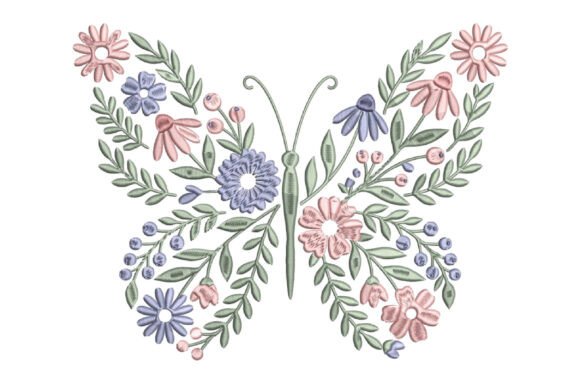
- Dense stitch areas: The mare’s mane and the butterfly wings may require lightweight tear-away stabilizer beneath and topping for fine fabrics. Test on scrap first.
- Tiny details: Butterflies’ antennae and foal’s eyelashes are delicate. Avoid shrinking below 2.5 inches—clarity fades fast.
- Thread colors: Use matte, low-sheen threads (like Isacord or Madeira Polyneon) to preserve the soft mood. High-gloss threads read too festive; metallics break the tone.
- Fabric texture: Skip heavy burlap or thick terry cloth. Stick to quilting cotton, linen-cotton blends, and midweight canvas for crisp definition.
- Dark fabric: The design relies on subtle layering. On charcoal or navy, ensure high-contrast thread (ivory, pale gold, or mint) is specified—not just assumed.
Booth Impact & Buyer Engagement
At a crowded craft fair, visual rhythm matters. Horse Foal Meadow Butterfly Companions adds gentle contrast to bolder, geometric, or typographic designs on your table. It draws in equestrians, nature lovers, new parents, gardeners, and anyone seeking calm. I’ve seen customers linger longest at pillow covers featuring this theme—touching the fabric, commenting on the foal’s pose, asking about custom sizing. That engagement translates directly to sales. It also strengthens brand consistency for makers who curate a “gentle nature” aesthetic—think botanicals, bees, nesting birds, and soft-hued palettes. Paired with matching printable mockups, it elevates your Etsy listings and builds perceived value before the first stitch is made.
Designer-to-Designer Production Checklist
Before cutting fabric or loading your hoop, run through these steps:
- Test the machine embroidery design on scrap fabric matching your final product’s weight and weave.
- Check thread contrast—especially on off-white or ecru backgrounds where subtle tones can disappear.
- Review spacing between elements: does the foal sit comfortably beside the mare? Do butterflies float freely—or crowd the composition?
- Confirm hoop size compatibility: if your largest hoop is 5×7”, verify the full design fits with ¼” margin clearance.
- Inspect stitch density in the meadow grass and butterfly wings—adjust underlay if needed for stability.
- Use appropriate stabilizer: cut-away for knits, tear-away for stable wovens, topping for napped fabrics.
- Create at least one real-world finished product mockup—not just a digital render—to assess drape, balance, and tactile appeal.
- Compare fabric colors side-by-side: natural linen vs. bleached cotton vs. oat canvas yield very different moods.
- Verify commercial licensing status before selling any commercial embroidery product—this is non-negotiable for Etsy sellers and boutique makers.
Remember: Horse Foal Meadow Butterfly Companions isn’t just another embroidery file. It’s a quiet invitation—to slow down, to connect, to celebrate tenderness in motion. When executed with care, it becomes more than decoration. It becomes a reason customers remember your booth, return to your shop, and choose your craft fair product over mass-produced alternatives.