Minimalist Tulip Flower Embroidery
A Designer’s Real-World Review for Personalized Gift Makers
As an embroidery designer who’s developed hundreds of machine embroidery designs for small shops, Etsy sellers, and boutique gift brands, I tested the Minimalist Tulip Flower Embroidery with one goal in mind: Would I confidently stitch it onto a baby blanket for a first-time parent? Or embroider it on a linen pillow cover for a wedding keepsake? The answer—after stitching it across six fabric types and three hoop sizes—is yes, but with thoughtful intention.
First Impression: Quiet Elegance, Not Just Simplicity
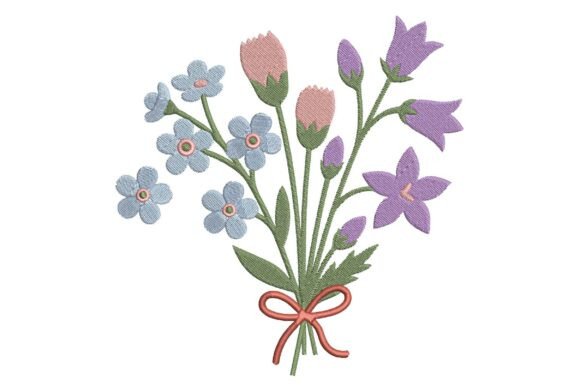
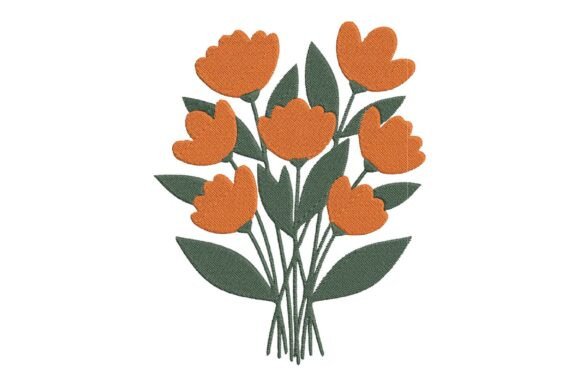
The Minimalist Tulip Flower Embroidery doesn’t shout. It breathes. Its charm lies in confident restraint—a clean bouquet of three tulip-inspired forms, each shaped with subtle curves and balanced negative space. There’s no filler stitching, no ornate stems or leaves—just graceful silhouettes that suggest growth, renewal, and quiet confidence. It feels elegant, not sterile; modern, not cold; and deeply seasonal without leaning into cliché. For Spring-themed collections, it offers sophistication over sweetness—ideal for customers who prefer “refined” over “cutesy.” Emotionally, it reads as gentle optimism—perfect for baby embroidery, new beginnings, or heartfelt wedding gifts.
Where This Design Truly Shines
- Baby embroidery: Stitched on organic cotton swaddle blankets or muslin nursery bags, the design reads softly—not overwhelming, never fussy. Parents love its understated symbolism (tulips = perfect love, rebirth) paired with minimalist aesthetics.
- Wedding gifts: A monogrammed linen napkin set or embroidered handkerchief with the Minimalist Tulip Flower Embroidery beside initials feels heirloom-worthy. It’s romantic without being floral-overload—and pairs beautifully with neutral palettes.
- Personalized towels & kitchen linens: On high-quality flour sack or waffle weave towels, this design holds crispness after washing. Its open structure avoids bulk, so it won’t stiffen fabric or snag during drying.
- Pillow covers & blanket embroidery: At medium scale (3–4 inches wide), it anchors solid-color linen or cotton canvas with visual calm—not distraction. Ideal for nurseries, guest rooms, or modern farmhouse decor.
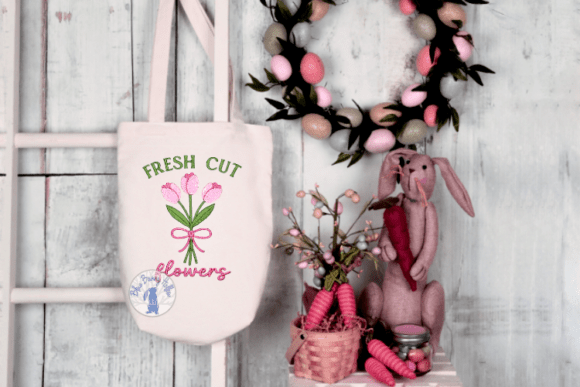
- Tote bags & aprons: When centered on structured canvas or medium-weight denim, it adds artisanal credibility. Customers instantly recognize handmade quality—even before they touch the stitch.
- Etsy listings & craft fair displays: This design photographs exceptionally well. Its clean lines translate clearly in digital mockups and printable mockup previews—boosting buyer engagement and perceived value.
Where to Use It With Care
This isn’t a one-size-fits-all embroidery file. Its strength is also its sensitivity—so consider these practical limits:
- Small lettering or fine details: The design contains no micro-stitching or thin outlines—so it scales down well to ~1.75" wide—but avoid pairing it with tiny text inside the same hoop unless you’ve tested density and clarity.
- Textured or thick fabrics: On heavy terry cloth or quilted blankets, the delicate stem lines may blur. Always use cutaway stabilizer and reduce top tension slightly.
- Stretchy baby clothes: While lovely on knit onesies in theory, the lack of dense fill means stitches can shift. Reserve for stable knits only—and always test on scrap with garment-wash simulation.
- Curved surfaces (mugs, curved tote handles): Not recommended. The design assumes flat hooping. Distortion compromises its clean geometry.
- Dark fabric: Works beautifully—but confirm thread colors offer enough contrast. Light ecru or soft sage green threads pop elegantly on charcoal or navy; avoid near-black-on-black combos.
- Frequent-wash items: Though well-digitized, low-density areas benefit from secure underlay and quality polyester thread. Confirm stitch density aligns with your laundering standards before launching as a finished product.
Why It Builds Trust—and Sales—for Small Shops
Customers don’t just buy embroidery—they buy meaning, care, and intention. The Minimalist Tulip Flower Embroidery signals thoughtfulness. Its simplicity reads as intentional craftsmanship, not cost-cutting. That perception elevates your entire small shop product line: a $28 embroidered towel feels like a curated lifestyle item, not a generic craft supply. Buyers engage longer with listings featuring this design—especially when shown in natural light, on real fabric, with context (e.g., “stitched on organic cotton blanket, ready for baby’s first photo session”). It deepens emotional connection, especially for milestone gifts where sentiment matters more than sparkle.
Essential Embroidery Notes Before You Stitch
- Always test on scrap fabric matching your final product’s weight, weave, and stretch.
- Check thread color contrast on both light and dark fabric swatches—digital previews lie.
- Confirm hoop size compatibility—this design fits standard 4x4 and 5x7 hoops, but verify your machine’s max dimensions.
- Review stitch density—if your commercial embroidery software allows, check for long satin runs or sparse underlay in delicate areas.
- Use appropriate stabilizer: tear-away for stable wovens, cutaway for knits or towels.
- Compare light/dark fabric mockups—a printable mockup helps clients visualize before ordering.
- Inspect small details post-stitch: gently tug fabric—do stems hold shape? Do edges feather?
- Verify commercial licensing before selling finished products. If unclear, contact the seller—reputable digital embroidery file providers specify usage rights.
The Minimalist Tulip Flower Embroidery isn’t just another spring-themed machine embroidery design. It’s a versatile, emotionally intelligent tool—one that helps handmade product sellers communicate care, modernity, and quiet celebration. Whether you’re an Etsy seller building a cohesive baby collection, a wedding gift designer curating heirloom moments, or a small shop owner refreshing seasonal inventory, this embroidery file earns its place in your working library. Just stitch it with attention—and let its minimalism speak volumes.