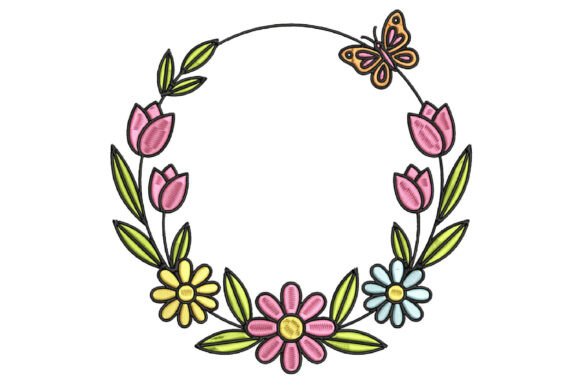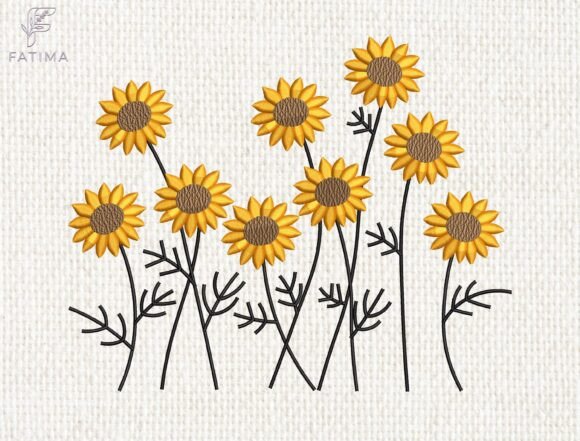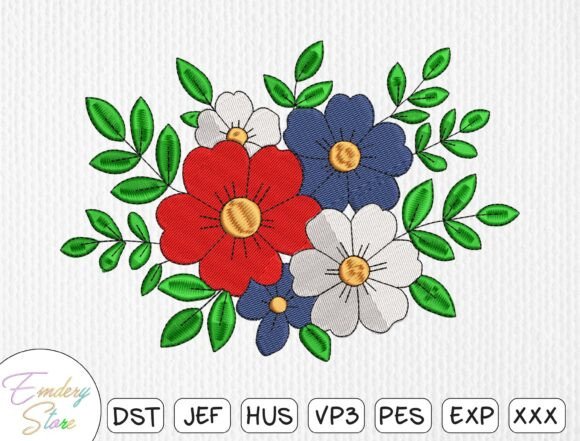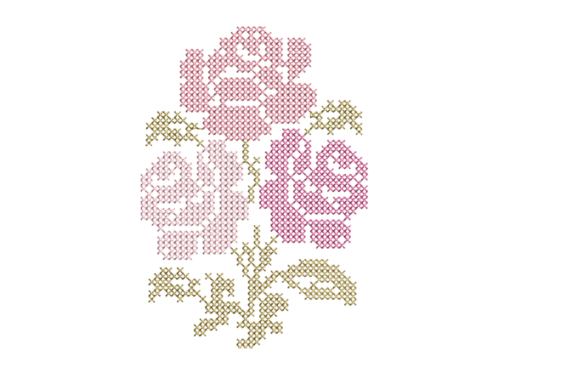
Rose Cross-Stitch Embroidery Design
First Impression: Timeless Romance Meets Craft Fair Appeal
As an embroidery designer who’s curated over 200 craft fair booths—from Portland bazaars to Nashville maker markets—I immediately recognize Rose Cross-Stitch Embroidery Design as a quiet standout. It doesn’t shout. It *invites*. The title and description signal elegance, not whimsy; classic floral artistry, not trendy minimalism. This isn’t a “cute” or “funny” design—it’s romantic, refined, and deeply rooted in the Floral Garden tradition. That matters on a crowded table where shoppers scan in under three seconds. Customers drawn to handmade quality, vintage charm, or botanical sophistication pause here—not because it’s loud, but because it feels intentional, heirloom-worthy, and quietly confident.
Where It Shines: Product-by-Product Reality Check
In my booth setup—featuring embroidered tote bags, linen aprons, cotton tea towels, denim caps, woven patches, drawstring pouches, and linen pillow covers—the Rose Cross-Stitch Embroidery Design performs strongest when given breathing room and texture contrast.
- Tote bag design: Perfect as a centered chest or lower-corner accent. Its detailed rose pattern reads beautifully on natural canvas or oat-colored linen—especially with subtle thread contrast (think burgundy on cream or charcoal on ivory). Avoid overcrowding; this design earns attention by being singular, not repeated.
- Apron embroidery: Ideal above the pocket or along the waistband curve. The romantic motif complements kitchen craftsmanship without feeling overly fussy—unlike busier florals that compete with flour-dusted countertops.
- Tea towel embroidery: Works best on high-thread-count cotton or Belgian linen. Beware dense stitch areas on textured terry—we’ve seen roses blur on looped towels unless stabilizer and tension are dialed in.
- Embroidered patch: A top-tier choice. When finished cleanly with merrowed edges, this design reads like a vintage botanical print. Great for jackets, market bags, or as standalone gifts in kraft boxes.
- Pillow cover & pouch embroidery: Highly effective at 3–4 inch scale. The rose’s symmetry and layered petals hold up beautifully in tight spaces—and elevate perceived value instantly.
It’s less effective on curved cap surfaces (petal definition softens) or dark fabric without high-contrast thread selection. And while charming as a printable mockup for Etsy listings, remember: Rose Cross-Stitch Embroidery Design sells best when customers can *feel* the stitch density—not just see it on screen.
Production Practicality: What Makes This Design Booth-Ready
This isn’t just pretty—it’s practical for batch production. As a machine embroidery design, its balanced layout avoids extreme angles or micro-details that snag needles or demand constant rehooping. That means faster turnaround for your small shop product line. But “practical” doesn’t mean risk-free:
- Test the design on scrap fabric first—especially if using textured toweling or thick denim. Stitch density increases heat buildup; some roses may pucker without cutaway stabilizer.
- Check thread contrast rigorously. On light fabrics, avoid pale pinks next to near-white threads. On darks, confirm metallic or matte golds don’t wash out.
- Review spacing between petals and stems. Tight clusters look lush in person—but compress poorly below 2.5 inches. If you’re selling digital embroidery files, note this limitation clearly for buyers.
- Confirm hoop size compatibility. Most versions fit comfortably in a 5x7 hoop, but verify before cutting dozens of fabric pieces.
- Create at least one real mockup—not just a digital preview. Light, fabric drape, and thread sheen change everything. A linen tea towel with this design looks softer in person than any Etsy listing suggests.
Careful-Use Notes: Protecting Clarity & Craft Integrity
The “detailed rose pattern” mentioned in the description is both its strength and its caution point. Tiny stamen lines, overlapping petal edges, and delicate stem tendrils can vanish on:
- Textured or napped fabrics (terry cloth, fleece, heavy twill)
- Dark fabric without sufficient thread brightness or underlay
- Curved surfaces (caps, curved pouch fronts) where hooping distorts fine lines
- Sizes smaller than 2 inches—where stitch density overwhelms legibility
If you’re an Etsy seller bundling this as a digital embroidery file, include clear guidance: “Best stitched at 3–5 inches on smooth, medium-weight cotton or linen.” Transparency builds trust—and reduces returns.
Booth Impact & Buyer Engagement: Why This Design Converts
At craft fairs, Rose Cross-Stitch Embroidery Design functions as a visual anchor. It draws the eye without competing with neighboring booths’ neon signs or laser-cut wood. Its romantic mood resonates across demographics—young brides shopping for shower gifts, seasoned gardeners seeking botanical keepsakes, boutique makers curating slow-living collections. It strengthens brand consistency for shops leaning into timeless aesthetics (think “heirloom modern” or “quiet luxury”). And crucially, it invites touch: shoppers linger to trace petal outlines with their fingers—a subtle but powerful engagement cue.
Final Designer Recommendation: A Thoughtful Anchor for Your Line
This isn’t a trend-chasing piece. It’s a foundational Embroidery asset—one that supports multiple product types while reinforcing handmade quality and emotional resonance. Whether you’re launching a new small shop product, refreshing your Etsy listings, or building a cohesive craft fair display, Rose Cross-Stitch Embroidery Design delivers quiet authority. Just remember: its elegance depends on execution. Compare fabric colors side-by-side. Use the right stabilizer for your base material. And always, always confirm commercial licensing before selling finished products—especially if offering this as part of a larger collection or subscription box. Done well, this design doesn’t just sell. It lingers—in memory, on shelves, and in homes.