Vintage Floral Butterfly Embroidery
A Designer’s First Look: Soft, Poetic, and Purposefully Detailed
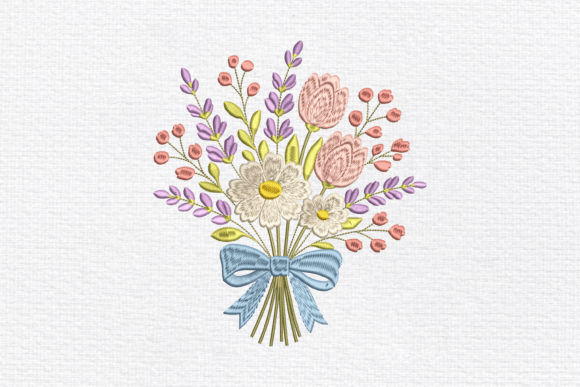
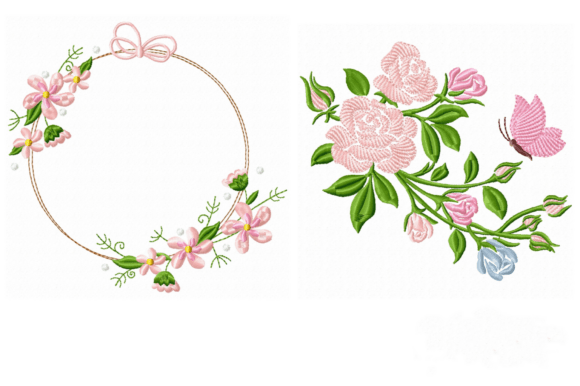
As someone who’s digitized over 300 floral motifs and stitched thousands of real-world projects—from boutique aprons to Etsy baby blankets—I opened Vintage Floral Butterfly Embroidery expecting charm but braced for compromise. What I found was a rare balance: romantic without being saccharine, intricate without sacrificing stitch integrity. The design breathes—soft roses with gentle petal curves, butterflies rendered in subtle wing texture (not flat silhouettes), and leaves that flow rather than stiffen. It’s not a bold statement piece; it’s an invitation to pause. That mood matters deeply when choosing a machine embroidery design for customer-facing handmade products.
Where This Design Naturally Lands—And Where It Doesn’t
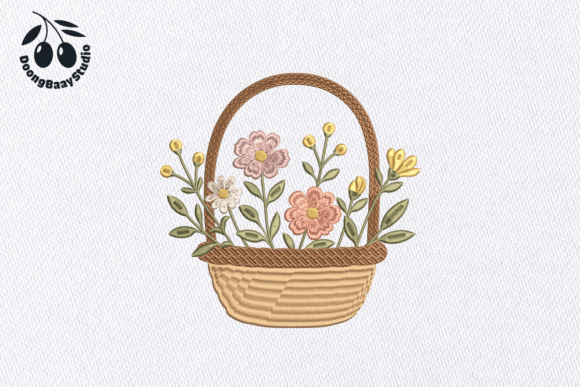
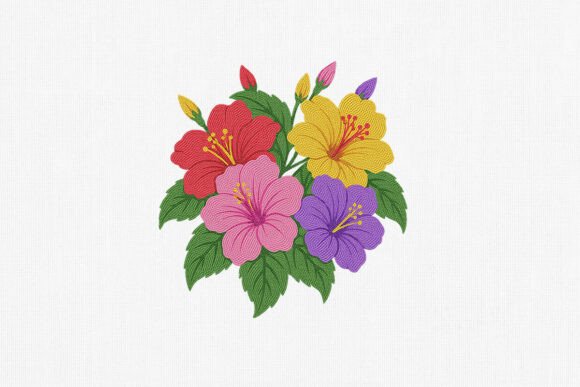
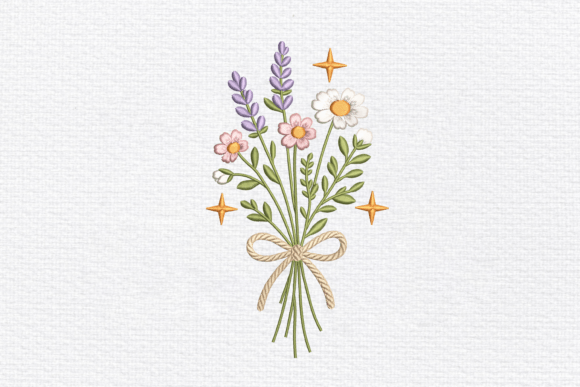
Vintage Floral Butterfly Embroidery lives most comfortably in the Bouquets Bunches category for good reason: it reads as a cohesive, grounded arrangement—not scattered motifs, not isolated elements. That cohesion makes it ideal for center-placement on pillow covers, kitchen towels, and baby blankets where visual weight and symmetry matter. It also translates beautifully to nursery decor—think framed hoop art or embroidered crib sheets—because its gentle scale and organic rhythm feel nurturing, not overwhelming.
It’s less suited for high-contrast branding or sporty apparel. You won’t want this on a neon gym sweatshirt or a tech startup tote. But for custom apparel with quiet intention—linen aprons for bakeries, organic cotton sweatshirts for mindful lifestyle brands, or cotton-linen tea towels for small-batch home goods—it adds unmistakable handmade gravitas.
Real-World Stitching: What Holds Up, and What Needs Care
In my test run on a medium-weight cotton towel, Vintage Floral Butterfly Embroidery performed cleanly—but only after stabilizer selection and tension checks. The fill stitch areas in rose centers are generous but not overly dense; they hold shape well on stable fabrics. However, on stretchy knits (like a lightweight sweatshirt), I added tear-away + cut-away combo stabilizer and slowed my machine speed by 20%. The butterfly wings rely partly on satin stitch definition—fine on pima cotton, but on dark fabric, I swapped standard thread for high-sheen polyester to preserve delicate contrast.
Small details—like the antennae and leaf veins—stitched crisply at 4"–5" hoop size, but I wouldn’t push below 3.5". On curved surfaces like caps, I’d recommend using it only on the front panel (not the crown) and opting for a simplified version if available—or digitizing a lighter variant myself. For embroidered patches, it works best when fused to twill or denim backing; the layered foliage reads clearly, and the butterflies add just enough dimension without snagging.
Practical Notes Every Embroiderer Should Check Before Stitching
- Test on scrap fabric first—especially if pairing with textured weaves (burlap, terry cloth) or dark backgrounds.
- Review stitch density visually in your embroidery software: look for tight clusters in rose calyxes or overlapping leaf stems that may require manual editing for heavy-use items like towels or aprons.
- Confirm hoop size compatibility before digitizing adjustments—some versions may be optimized for 4×4, others for 5×7. Don’t assume.
- Compare light/dark fabric mockups in your design software. The softness of this Creative Fabrica embroidery design means thread color contrast becomes your strongest tool for clarity.
- Use proper stabilizer: medium-weight cut-away for knits, tear-away for stable wovens, and fusible + tear-away for towels or napkins that’ll see frequent washing.
- Inspect small details post-stitch: check butterfly wing edges and fine leaf tips under good light—they should lie flat, not curl or tunnel.
- Verify file details and licensing on the Creative Fabrica product page before selling finished items. As an Embroidery type digital embroidery file, commercial use is typically permitted—but always confirm scope, especially for resale on platforms like Etsy or wholesale.
How Vintage Floral Butterfly Embroidery Elevates Your Handmade Product
This isn’t just decoration—it’s value signaling. When customers see the nuanced petal layering and intentional spacing of Vintage Floral Butterfly Embroidery on a pillow cover or baby blanket, they register care, time, and craftsmanship. That perception directly supports higher price points, repeat orders, and stronger brand consistency—especially for creative entrepreneurs building recognizable aesthetics across product lines.
For Etsy sellers, it boosts product photography: the design’s gentle contrast and natural flow photograph well in natural light, reducing editing time. For craft fairs, it encourages engagement—shoppers linger on the tactile softness of the roses and trace the butterflies with their eyes. And as a personalized gift element—say, monogrammed beneath the bouquet on a linen tote—it deepens emotional resonance without overpowering.
Final Thoughts for Commercial and Creative Use
If you’re sourcing embroidery files for consistent, scalable handmade production—whether for your own shop or client work—Vintage Floral Butterfly Embroidery earns its place in a curated library. It’s versatile enough for seasonal collections (spring launches, baby showers, bridal showers) yet timeless enough to avoid trend fatigue. It pairs seamlessly with neutral palettes and complements other Bouquets Bunches designs without visual competition.
That said, it’s not a “drop-in-and-stitch” solution for every substrate or speed. Its strength lies in thoughtful application: knowing when to lean into its delicacy and when to support it with smart stabilizing, thread choice, and placement. Used intentionally, it doesn’t just embellish a product—it tells a story customers want to hold, gift, and keep.